Non-hazardous waste recycling, processed to specification
ECO WORLDWIDE LTD collects, sorts, processes and supplies recovered materials across three core streams: scrap steel, waste paper and waste plastics. Every load is weighed, graded and documented, so you know what left your site and where it went.
One supplier for collection, sorting, processing and supply — with the compliance paperwork to match.
Recovered material, handled properly from your gate onwards
We are a resource recovery business, not a waste broker. The same team that collects your material also grades it, processes it and supplies it into the mills and processors that use it as raw material. That means fewer hand-offs, cleaner grades and a paper trail that stands up when someone asks you where your waste actually went.
Three core streams, three different disciplines
Metals, paper and plastics each behave differently in recovery. Treating them as one mixed waste service is what produces low-grade output and unreliable paperwork. We keep the three streams separate from the point of collection.
Scrap Steel Recovery
- Ferrous and non-ferrous intake, graded on arrival
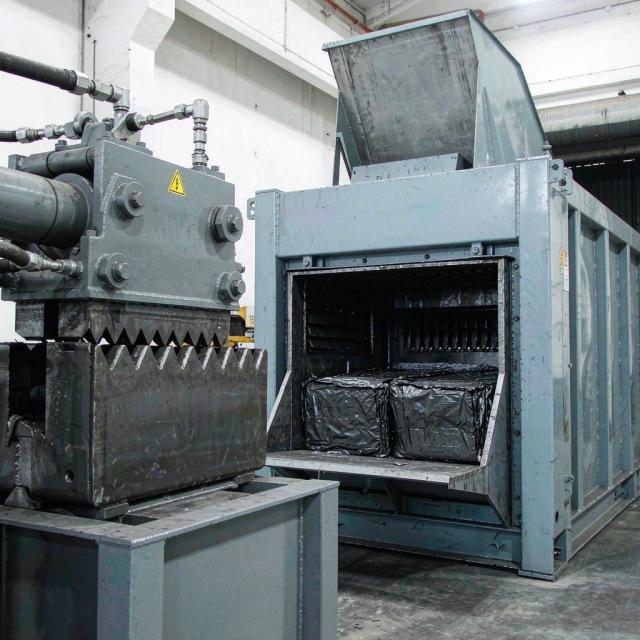
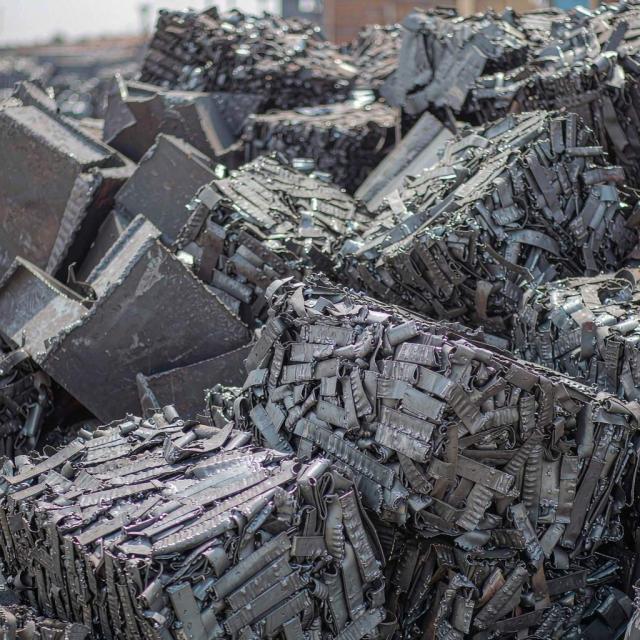
- Shearing, baling and shredding to mill specification
- Furnace-ready feedstock prepared for steel mill charging
- Batch separation to keep grades clean and traceable
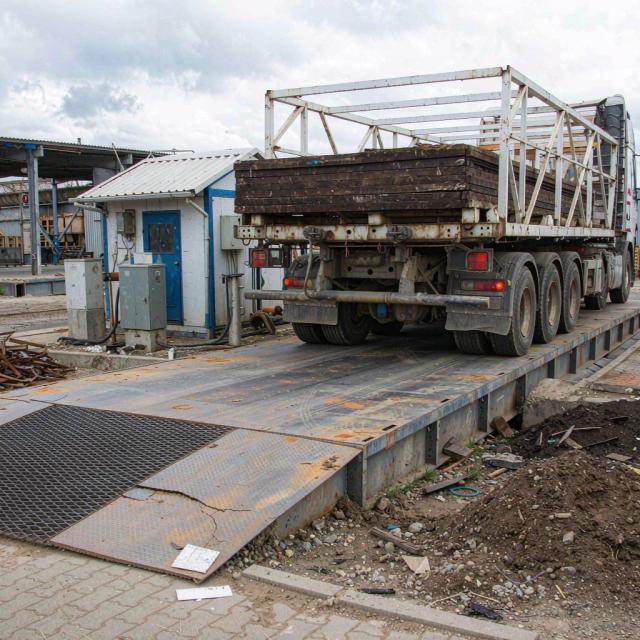
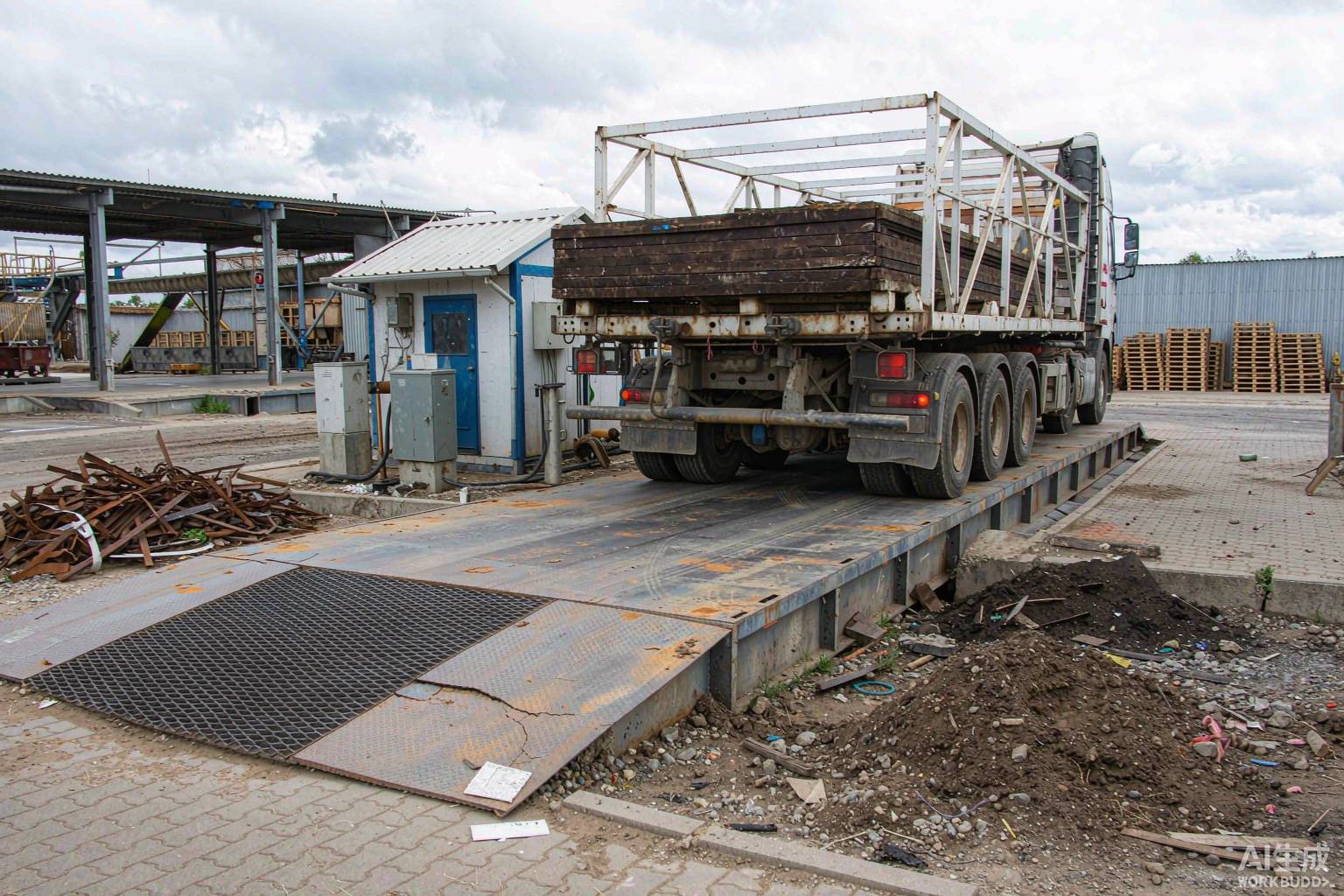
- Weighbridge tickets and transfer notes issued per load
- Direct delivery scheduling to your mill or foundry
Waste Paper Recovery
- OCC, office paper and newsprint recovered separately
- Grade separation so mills receive a consistent furnish
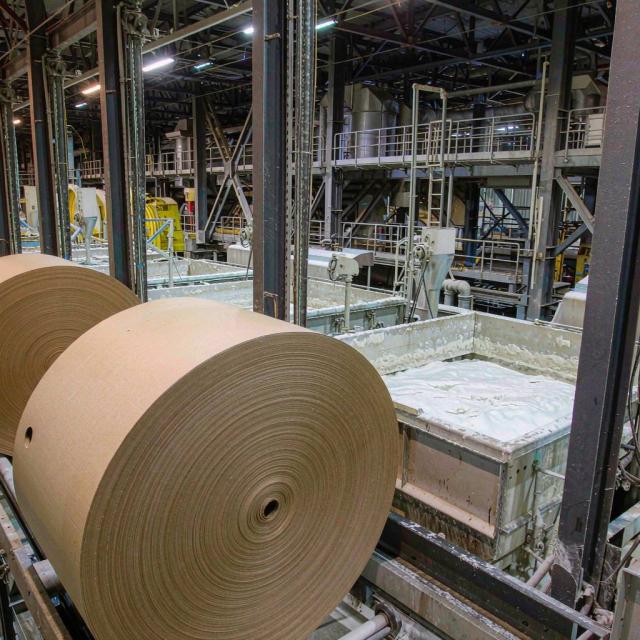
- Baling and dry storage to protect fibre quality
- Supply into recycled packaging and containerboard mills
- Quantity and grade confirmed on each transfer note
- Scheduled uplifts to match your production pattern
Waste Plastics Recycling
- PE, PP, PET and PVC kept as separate polymer streams
- Sorting, washing and size reduction before pelletising
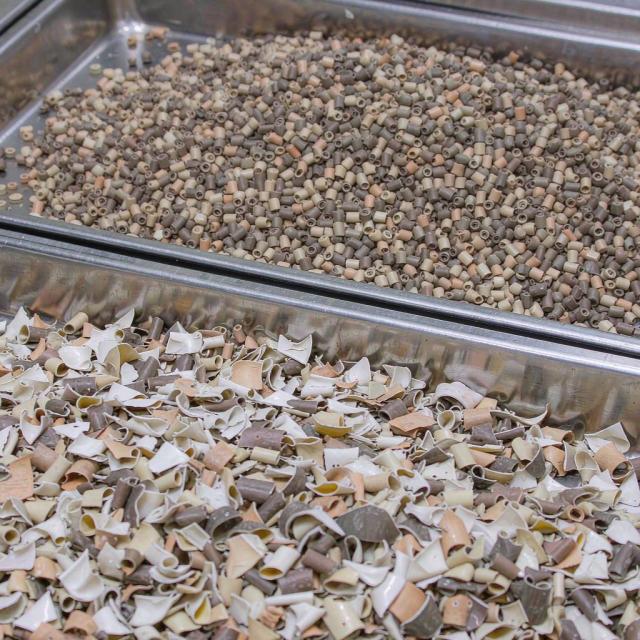
- Clean pellets and flakes supplied to plastics processors
- Substitute raw material for moulding and extrusion
- Batch documentation recording polymer and form
- Collection formats from sacks to full loads
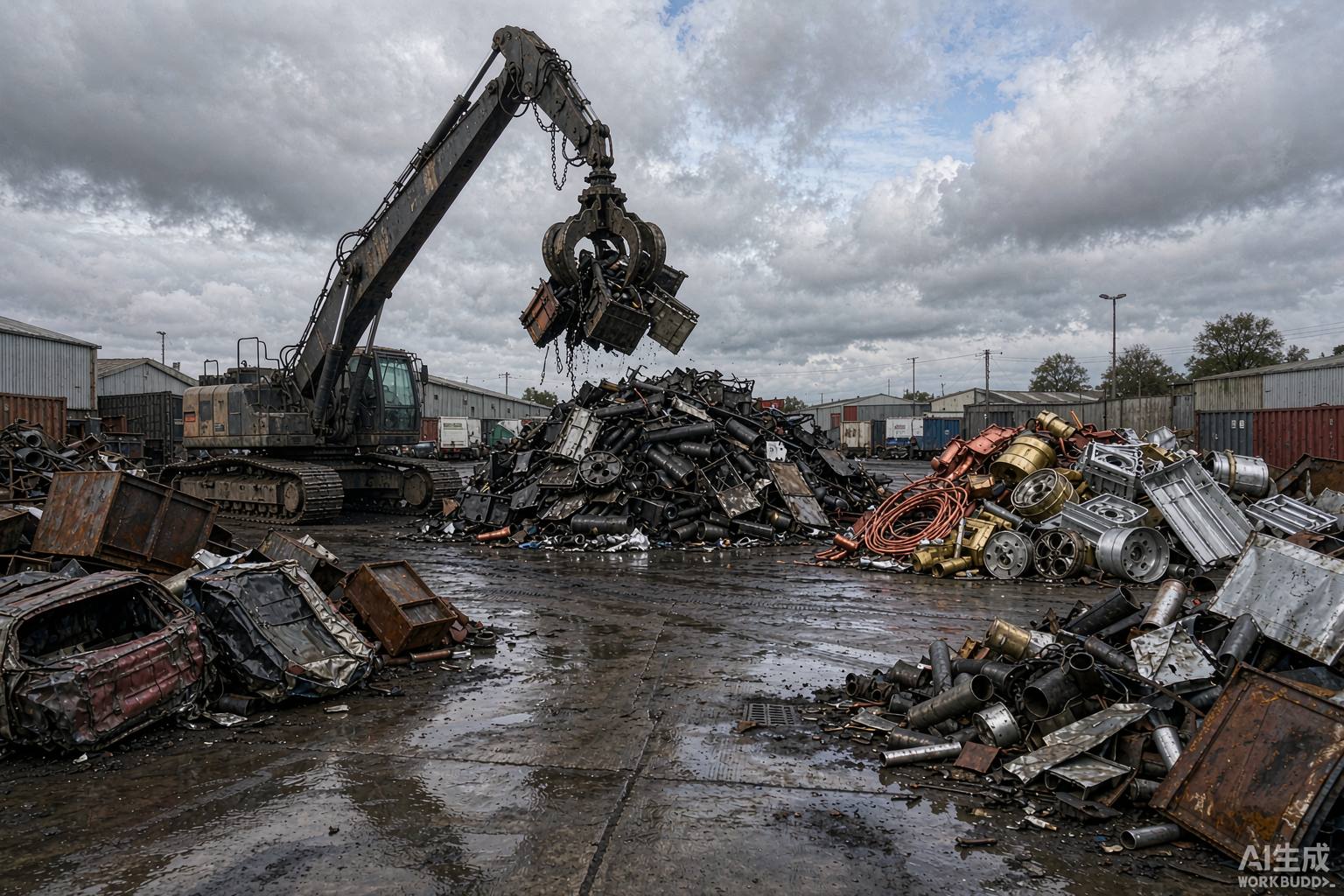
Scrap steel
Ferrous and non-ferrous metals graded on intake, then sheared, baled and shredded into furnace-ready feedstock for steel mills and foundries.
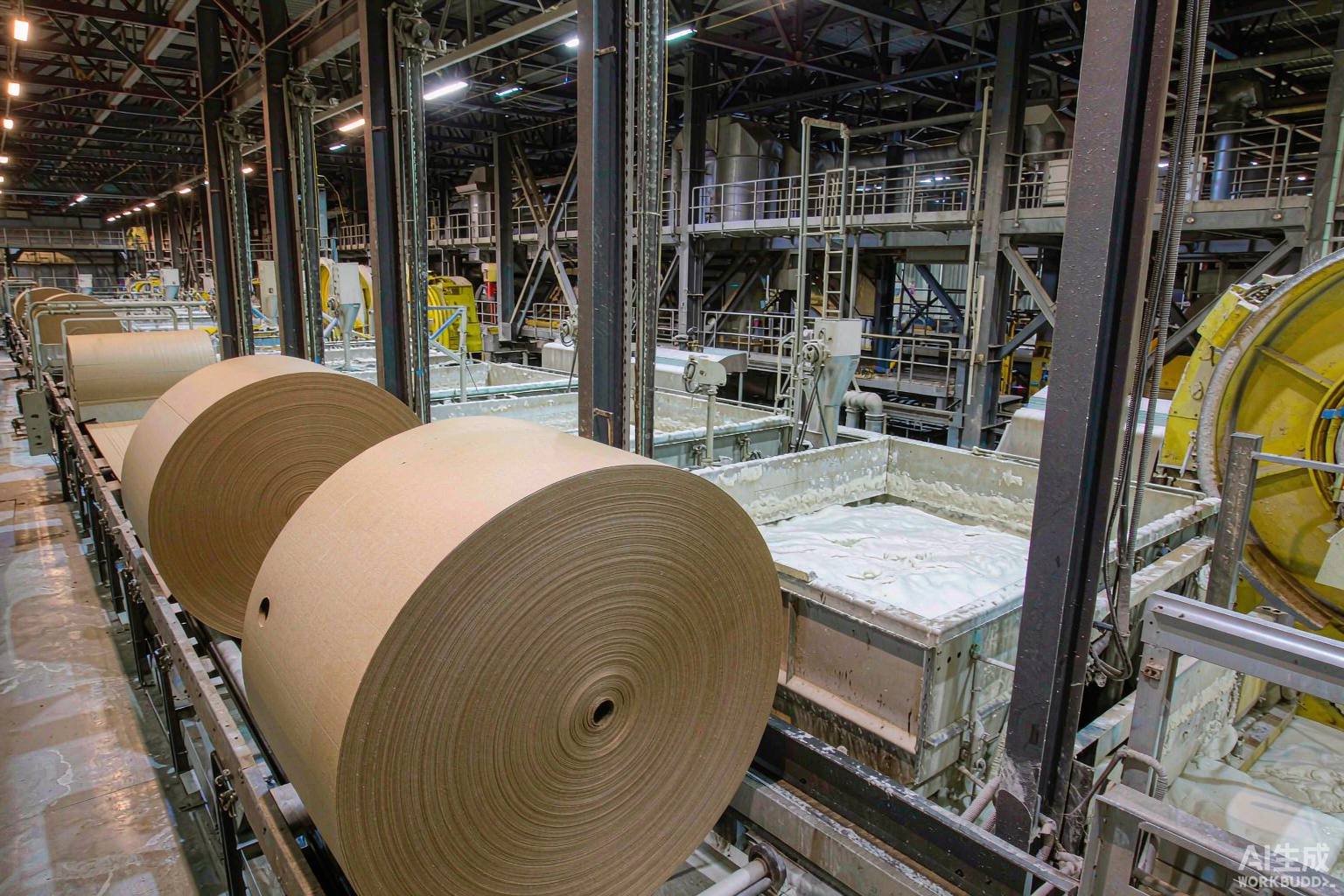
Waste paper
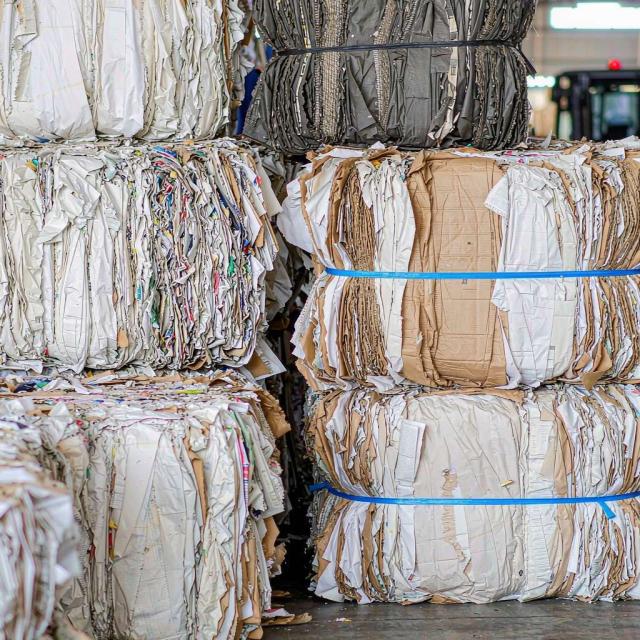
OCC, office paper and newsprint recovered separately, baled dry and supplied into recycled packaging and containerboard production.
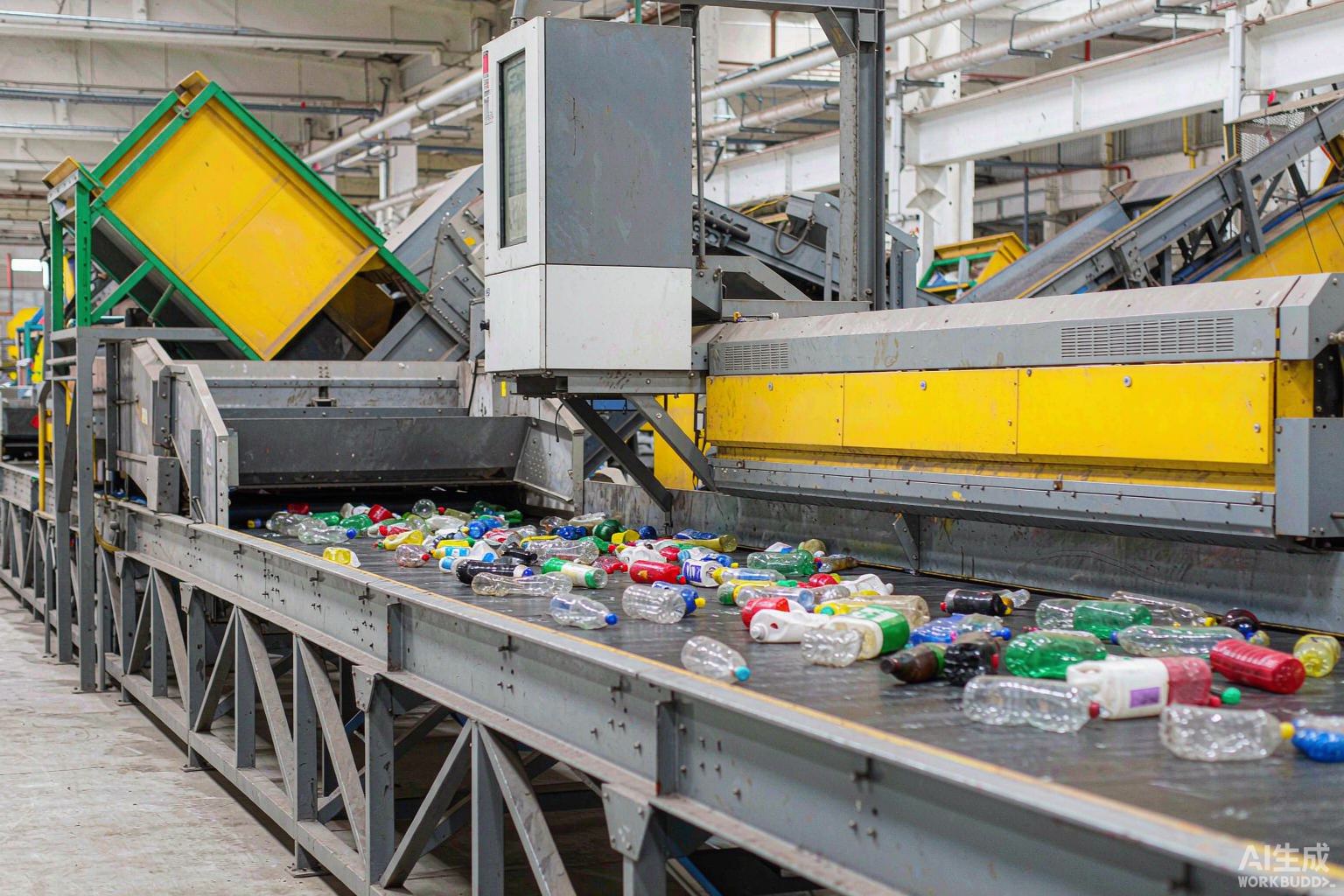
Waste plastics
PE, PP, PET and PVC sorted by polymer, washed and converted into pellets and flakes for plastics processors.
How a load moves through our operation
Four stages, one chain of custody. Each stage produces a record, which is why we can tell you what happened to your material rather than what should have happened to it.
Collection
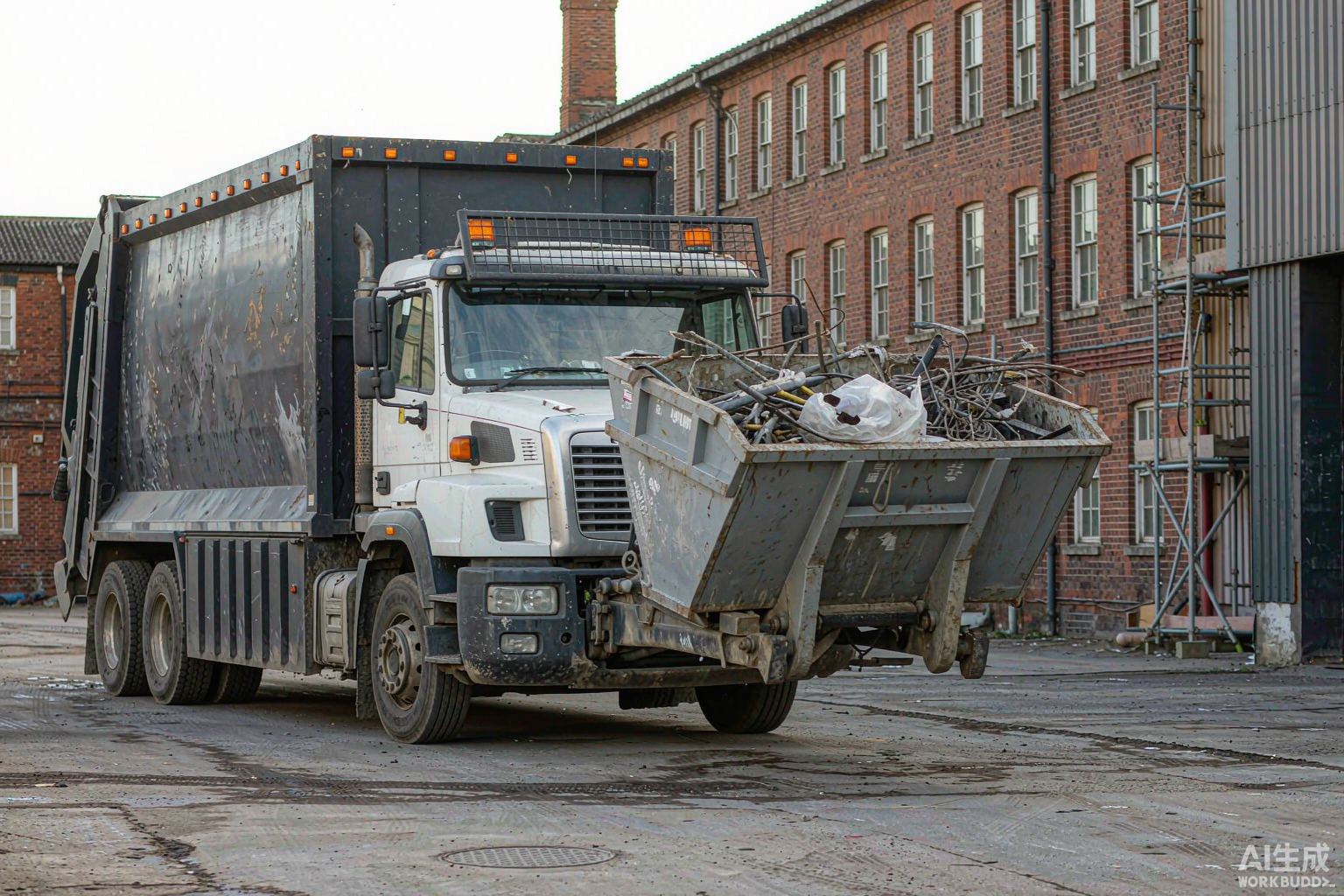
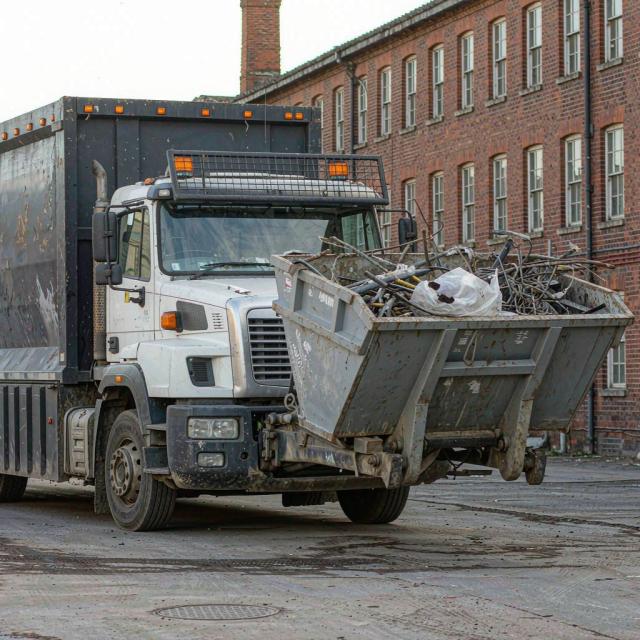
Skip, bulk or scheduled uplift from your premises. We agree the container, the access arrangement and the collection window in writing first.
Sorting
Material is graded into the correct stream on arrival. Contamination and mixed loads are separated before they can spoil a clean grade.
Processing
Metals are sheared, baled or shredded. Paper is baled and kept dry. Plastics are sorted by polymer, washed and pelletised.
Supply
Processed material is supplied to mills, foundries and plastics processors, with batch documentation covering grade, form and quantity.
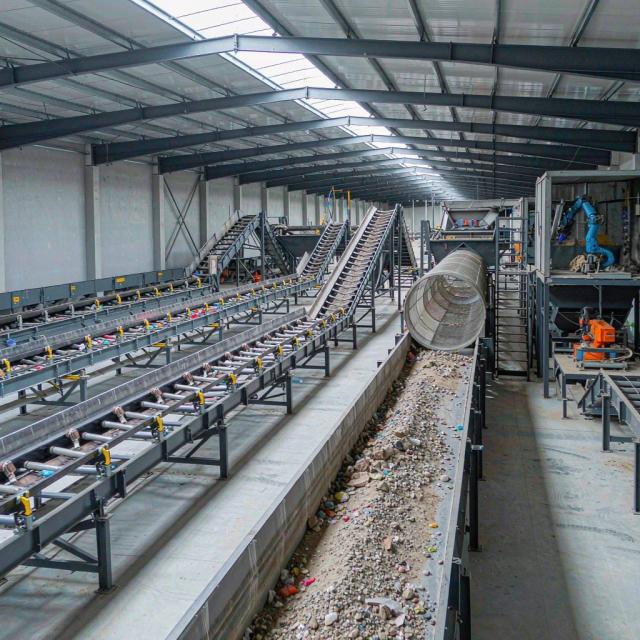
Inside the operation
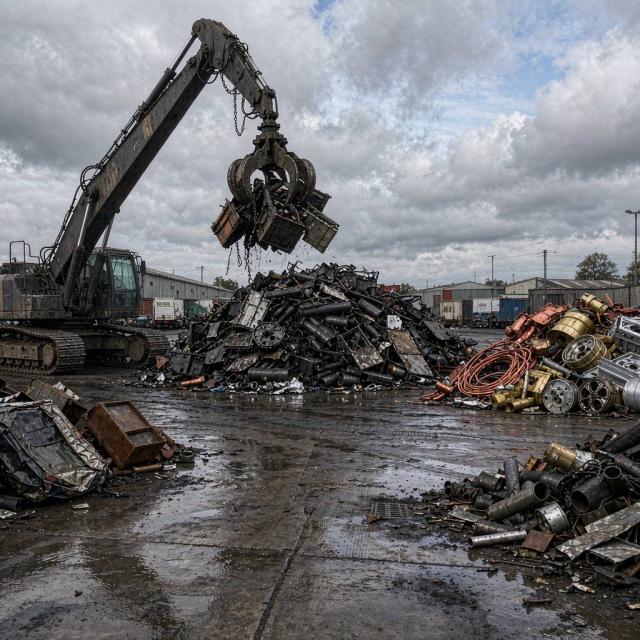
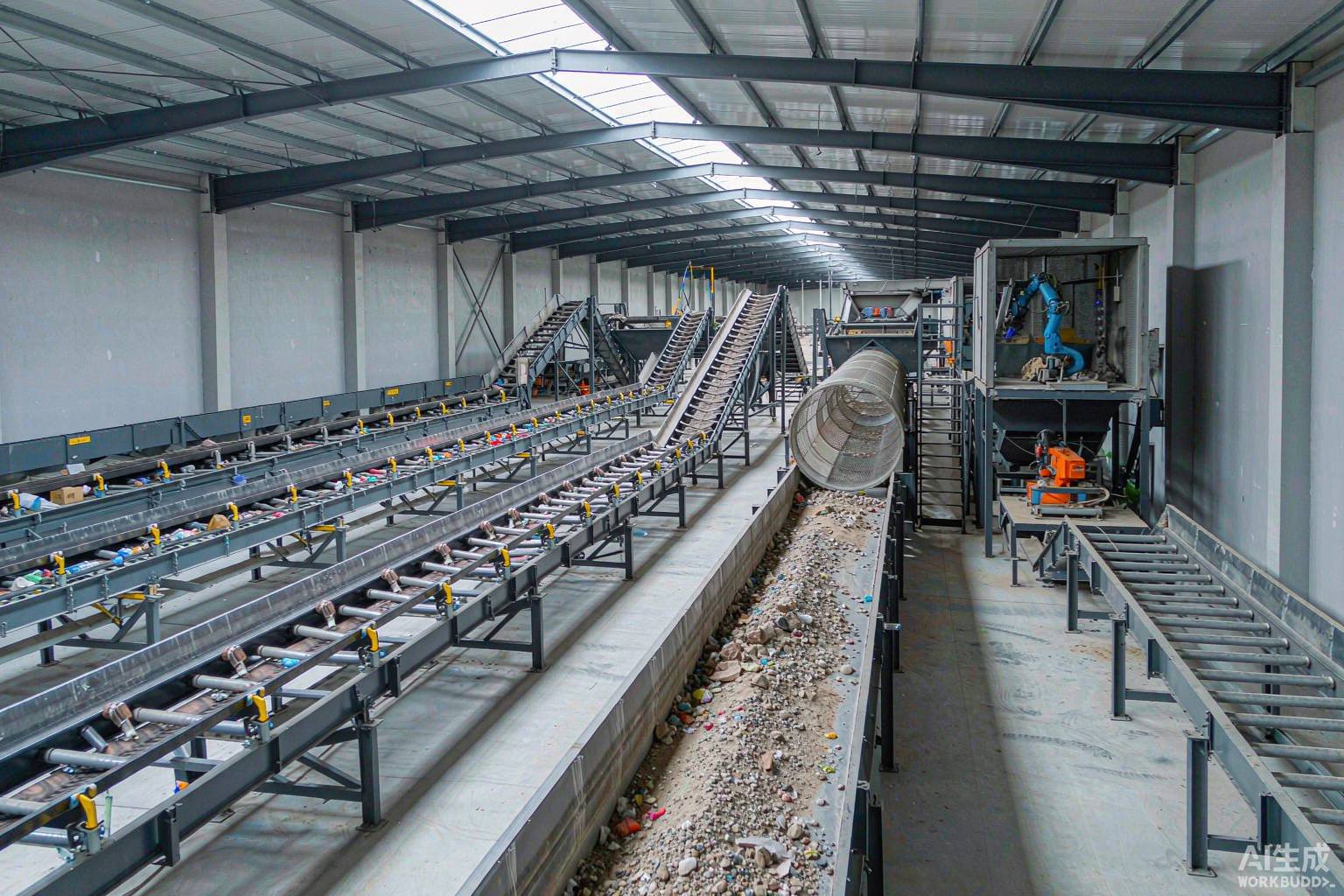
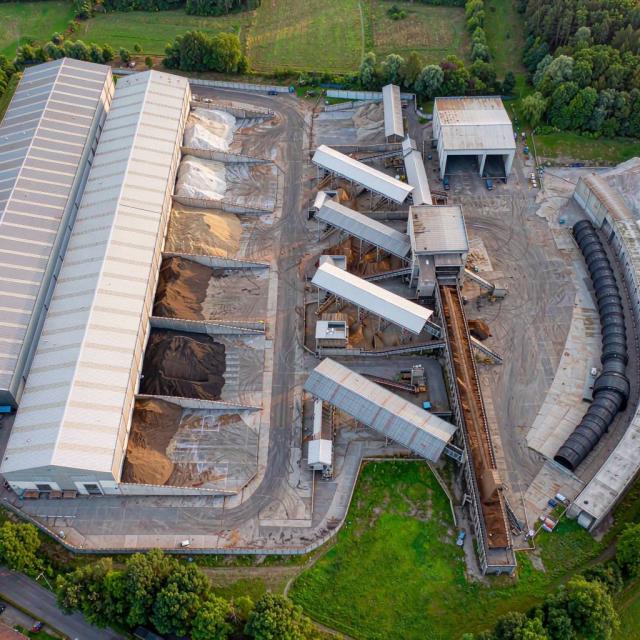
Yards, conveyors, baling plant and weighbridge — the equipment that turns a mixed load into a specification.


Why customers move their material to us
Most of our commercial customers came to us after a collection went wrong somewhere else: a load rejected at the mill gates, a transfer note that did not match the tonnage, or a container that sat full for a week.
We run a smaller area on purpose, so the same team handles your site each time and the grades stay consistent.
- Three streams kept separate from collection onwards
- Weighbridge ticket and transfer note on every load
- Written rate confirmed before the vehicle is dispatched
- Recovery route explained per material, not per invoice
- Scheduled uplifts built around your production pattern
- One point of contact for collection and supply
Materials we accept
Twelve material types as standard. If what you have is not on the list, describe it and we will tell you honestly whether we can take it.
Paperwork that survives an audit
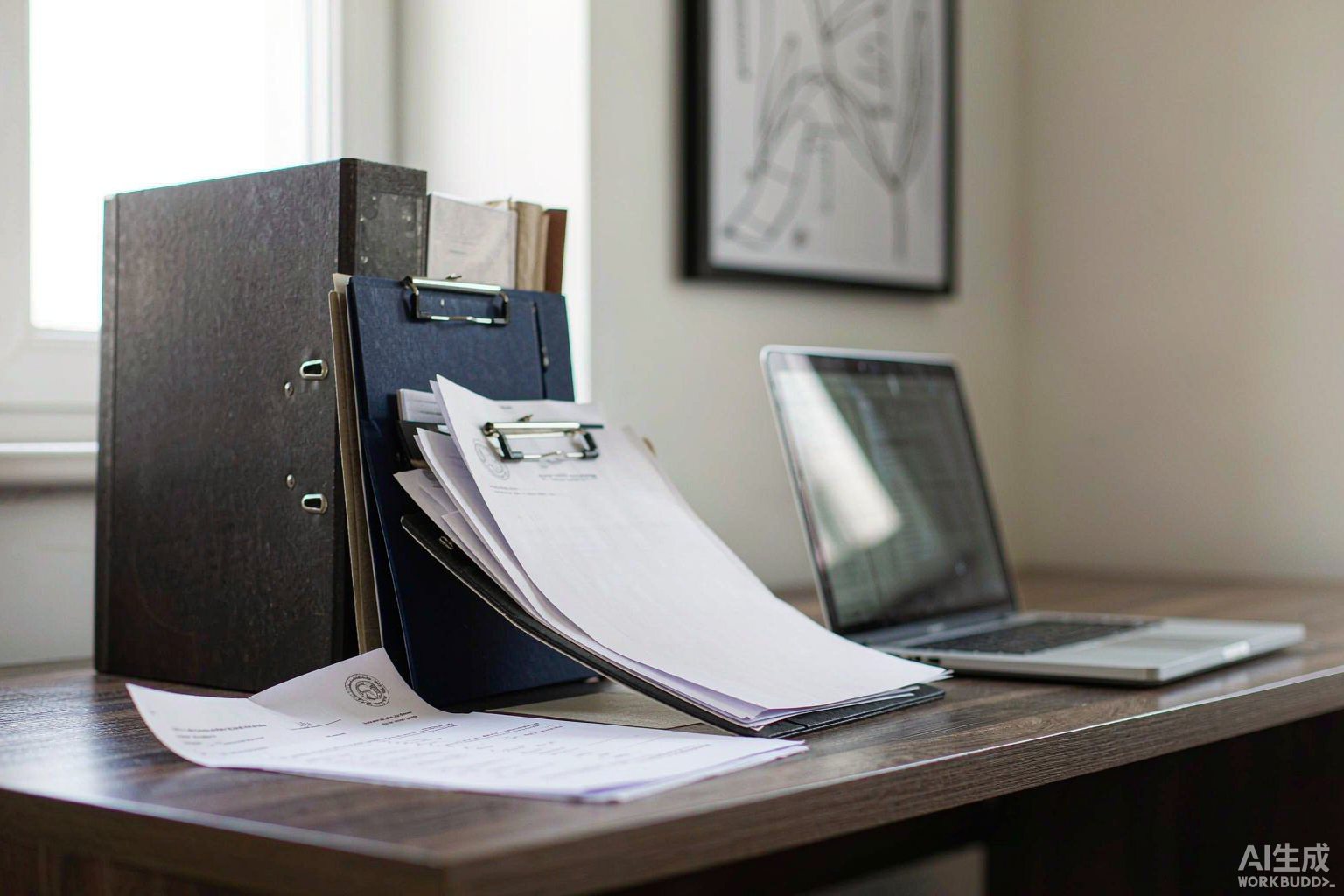
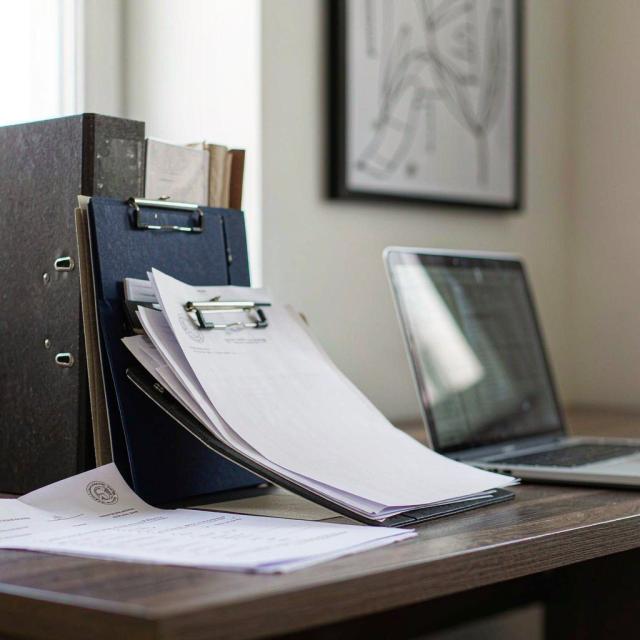
Recovered material is only useful if you can prove what happened to it. Every collection we make produces a weighbridge ticket, a waste transfer note recording material, quantity and destination, and a recovery route that we can describe in writing.
- Company registered in England & Wales, number 07695023
- Waste transfer notes issued per load, per address
- Written statement of recovery route available on request
- Tonnage records you can use for landfill diversion reporting
Where our service fits
Six of the situations we handle most often. If yours looks like one of these, the collection format is usually already worked out.
Steel fabrication & engineering
Offcuts, swarf, guillotine trim and redundant steelwork collected by skip or bulk load, graded on site and prepared as furnace-ready feedstock.
Print, packaging & distribution
OCC, trim waste and office paper baled and uplifted on a schedule that matches your shift pattern rather than ours.
Plastics processing & moulding
Production scrap and reject parts sorted by polymer so they can return as pellet or flake feedstock instead of going to landfill.
Retail & commercial premises
Back-of-house cardboard, mixed packaging and plastic film collected, sorted and routed into the right recovery stream.
Construction & demolition
Structural steel, reinforcement and mixed metals recovered from sites, weighed and documented for your own duty of care records.
Manufacturing & food production
Packaging, film and process waste handled with the paperwork trail your environmental management system needs.
Collection and supply rates
Guideline rates so you can budget before you call. Rates exclude VAT, and the final figure is confirmed in writing once we know the material, volume and access.
- 6 to 40 cubic yard containers
- Non-hazardous commercial recoverables
- Weighbridge ticket on collection
- Waste transfer note per address
- Ad hoc or scheduled uplifts
- Minimum 1 tonne per bulk load
- Metal, paper or plastics, kept separate
- Grading and processing included
- Batch documentation on request
- Rolling schedule available
- Furnace-ready steel feedstock
- Baled OCC, office paper or newsprint
- Washed plastic pellets and flakes
- Delivered or collected ex-works
- Batch and grade recorded per delivery
Prices shown are guideline starting rates for the smallest load in each band. Grading, contamination, access restrictions and frequency all affect the final rate, which we confirm in writing before collection.
Materials, grades and forms
From furnace-ready steel feedstock to washed polymer pellets and baled OCC, this is what leaves our yard.


Frequently asked questions
The questions we are asked most often by commercial customers. If yours is not here, the fastest route is a short call.
What materials do you accept?
We handle non-hazardous solid wastes across three streams: scrap steel (ferrous and non-ferrous metals), waste paper (OCC, office paper and newsprint) and waste plastics (PE, PP, PET and PVC). General commercial recoverables are accepted where they can be sorted into those streams. We do not accept hazardous, clinical, liquid or asbestos waste.
Which areas do you cover?
Our equipment is based in Hertfordshire and covers Hertfordshire, Essex, Bedfordshire, Cambridgeshire and north London. Regular collections run through Ware, Hertford, Hoddesdon, Broxbourne, Cheshunt, Stevenage, Bishop’s Stortford, Harlow, Royston, Letchworth, Welwyn Garden City, Luton, Cambridge and Enfield. If you sit just outside that ring, tell us the postcode and we will confirm coverage and frequency.

What is the minimum collection quantity?
Our smallest skip is a 6 cubic yard container, which suits a small workshop or an office clear-out. Bulk collections start at 1 tonne per load, and for metal we can often take part loads if they are already graded. If you are unsure what your volume looks like, describe the material and we will suggest the right container.
How is pricing worked out?
Collection is priced per load or per tonne depending on the volume and the material. Guideline rates start at £180 per skip load and £95 per tonne for bulk recycling, with recovered material supplied from £120 per tonne. Rates exclude VAT. Because grading, access and frequency all move the number, we confirm a written rate after seeing the material.
Can you provide compliance documentation and proof of destination?
Yes. Every load leaves with a weighbridge ticket, and we issue waste transfer notes recording the material, quantity and destination. Where you need it for an environmental management system or a customer audit, we can supply a written statement of the recovery route for the material we handle for you.
What specifications are the recovered materials available in?
Scrap steel is supplied as sheared and baled furnace-ready feedstock. Waste paper is supplied as baled OCC, office paper or newsprint grade. Plastics are supplied as washed pellets or flakes, separated by polymer. We describe material by grade, form and polymer only — we do not quote tensile or melt-index figures unless a specific batch has been tested.
Do you provide carbon or landfill diversion data?
We record the tonnage collected and the recovery route for every load, so you can report the material you have diverted from landfill. We do not publish carbon factors or claimed emission savings, because those depend on the processing route and the assumptions behind them. Where your reporting requires them, we will share the route data so your own calculation is auditable.
How do we start working together?
Send us the material type, approximate volume, access arrangement and postcode. We will come back with a container size or load format, a written rate and the earliest collection slot, then set up a regular schedule if you want one.
Do you offer long-term agreements?
Yes. Most commercial customers move to a rolling schedule after the first few collections, with agreed rates held for the term and volume bands set so that a busy month does not change your unit price. Agreements usually run for 12 months and are reviewed before renewal.
What container sizes are available?
Skips from 6 to 40 cubic yards, and bulk loads by articulated or rigid vehicle for larger volumes. For metals we can also place enclosed containers to keep light iron contained and the site tidy.
How quickly can you collect?
We aim to offer the next available slot when you call, and we will always confirm the day and the collection window in writing before the vehicle is dispatched. Same-day collection depends on where the vehicle already is and the container you need.
Can you take material from more than one site?
Yes. We can schedule multi-site rounds with a separate transfer note per address, so the paperwork stays clean for each premises you operate.
What happens to the material after collection?
It is weighed, then sorted into the correct stream. Metals are sheared, baled or shredded and supplied to steel mills and foundries. Paper is baled and supplied to recycled packaging and containerboard producers. Plastics are sorted by polymer, washed and converted into pellets or flakes for plastics processors.
What do you need from us on site?
Safe access for the vehicle, a level standing area for the container, and a named contact for the collection. If your site needs a risk assessment or a delivery window outside normal hours, tell us at the quotation stage and we will build it in.
Send us the material, the volume and the postcode
Tell us what you have and where it is. We will come back with the container or load format, a written rate and the earliest collection slot — or tell you straight away if it is not something we can handle.
Twelve material types, one recovery route
Everything we handle starts as someone else’s surplus and leaves as a specification. These are the materials, the plant and the records that sit behind every collection.
Collection formats and site arrangements
Most collection problems are access problems. Enclosed containers keep light material contained, bulk formats suit high-volume production waste, and scheduled rounds keep a busy yard from filling up between visits.


What we agree before the first load
- Container type and size matched to the material and the access
- Standing area and vehicle route checked so the driver is not guessing
- Named site contact and the collection window in writing
- Written rate and what it includes, before dispatch