Six situations we handle most often
These are the collection problems we are asked to solve most frequently. They are described by situation rather than by customer, because the material and the constraint matter more than who produces it.
If one of them looks like your site, the collection format is usually already worked out.
Start from the constraint, not the container
Every one of these scenarios starts with something that is not working: a yard filling up, a grade being rejected, a paperwork file with gaps in it. Fixing the constraint usually means changing the stream split or the schedule rather than simply ordering a bigger container.
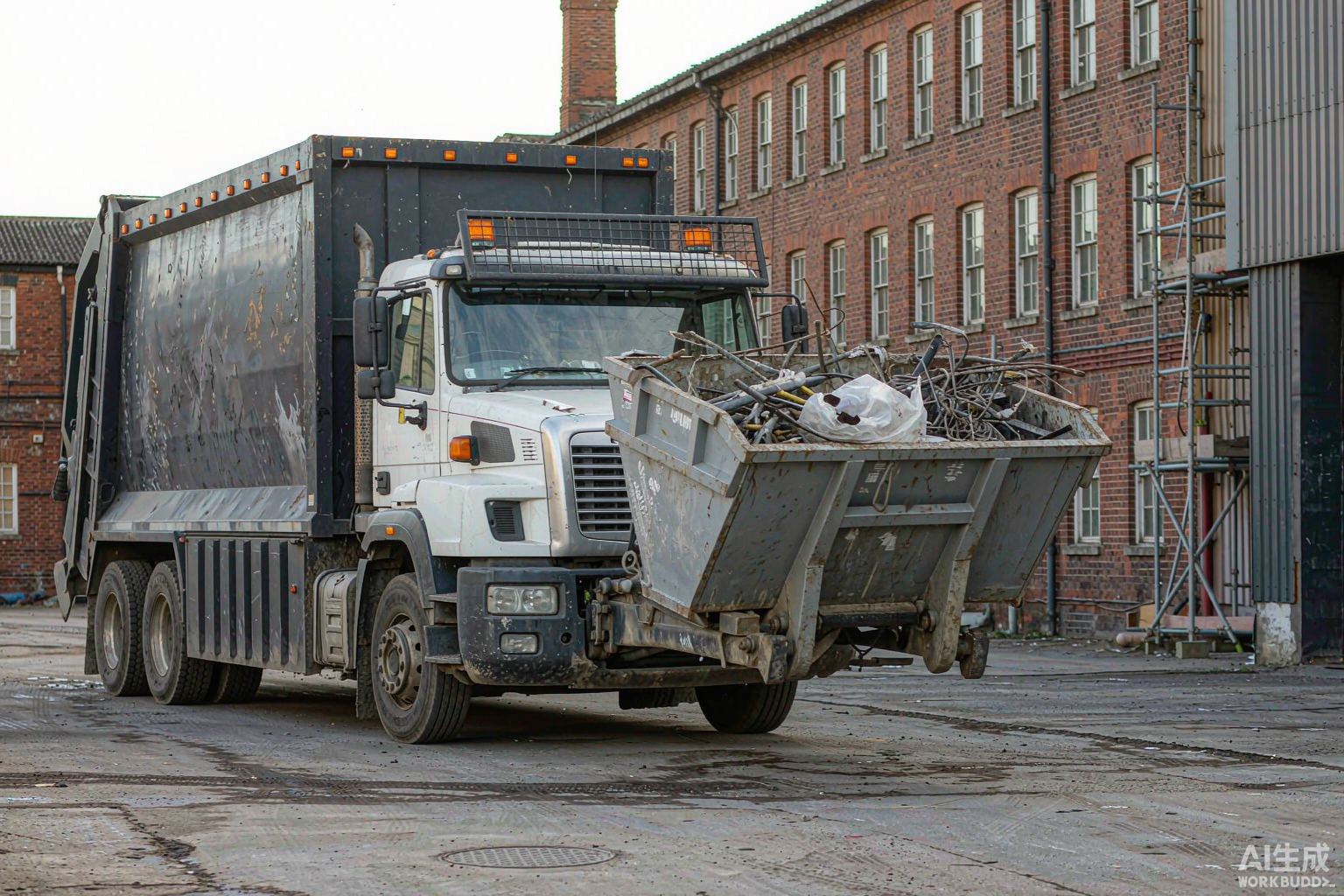
A fabricator running one skip a week
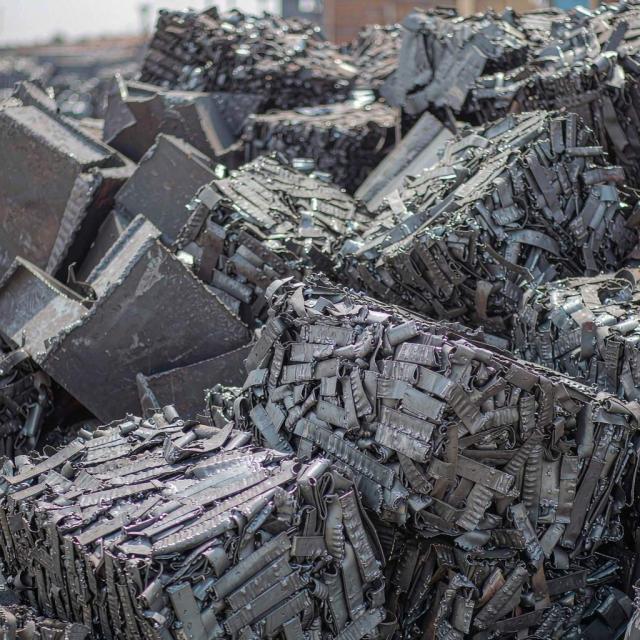
Trim and offcuts build up faster than a small yard can absorb. A single skip on a scheduled weekly round keeps the yard clear and the metal moving, with the tonnage recorded per collection.
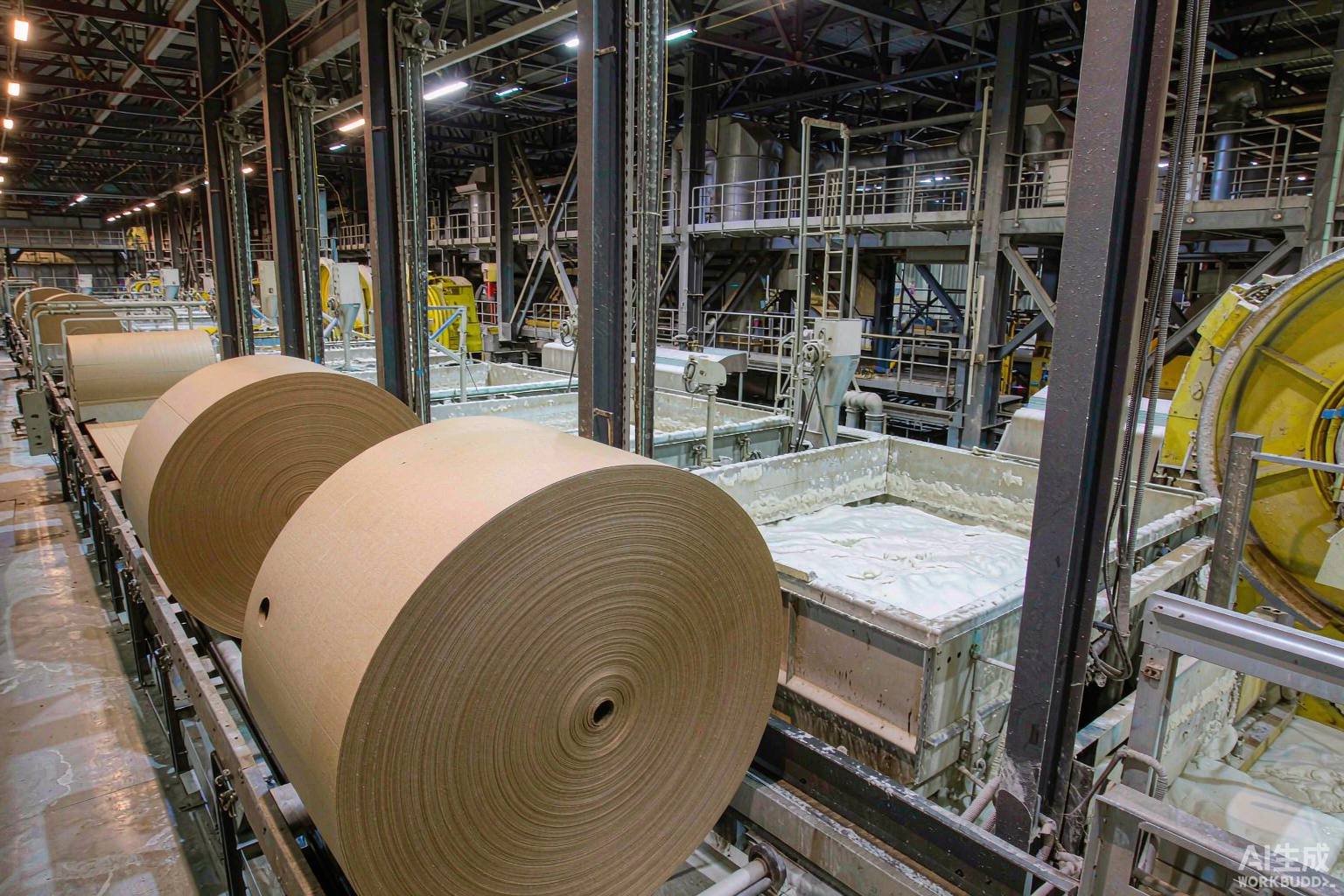
A distribution centre with a film problem
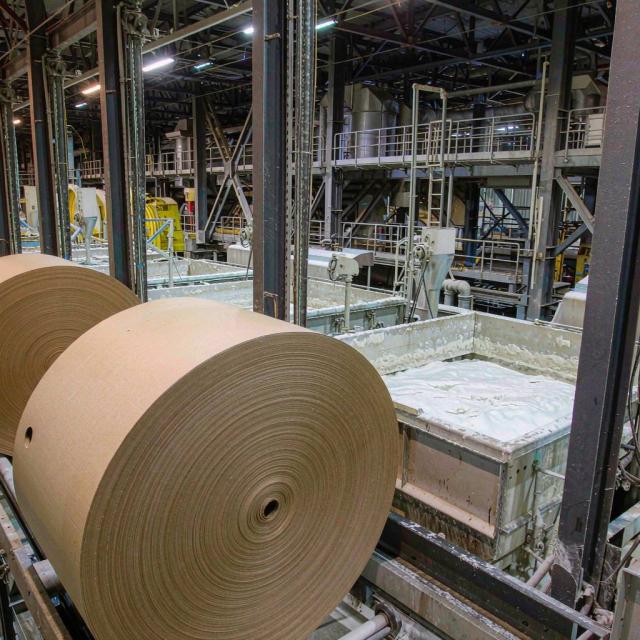
Cardboard is baled already, but stretch film and rigid plastic are going in with it. Splitting the film into its own stream lifts the paper grade and gives the film a recovery route.
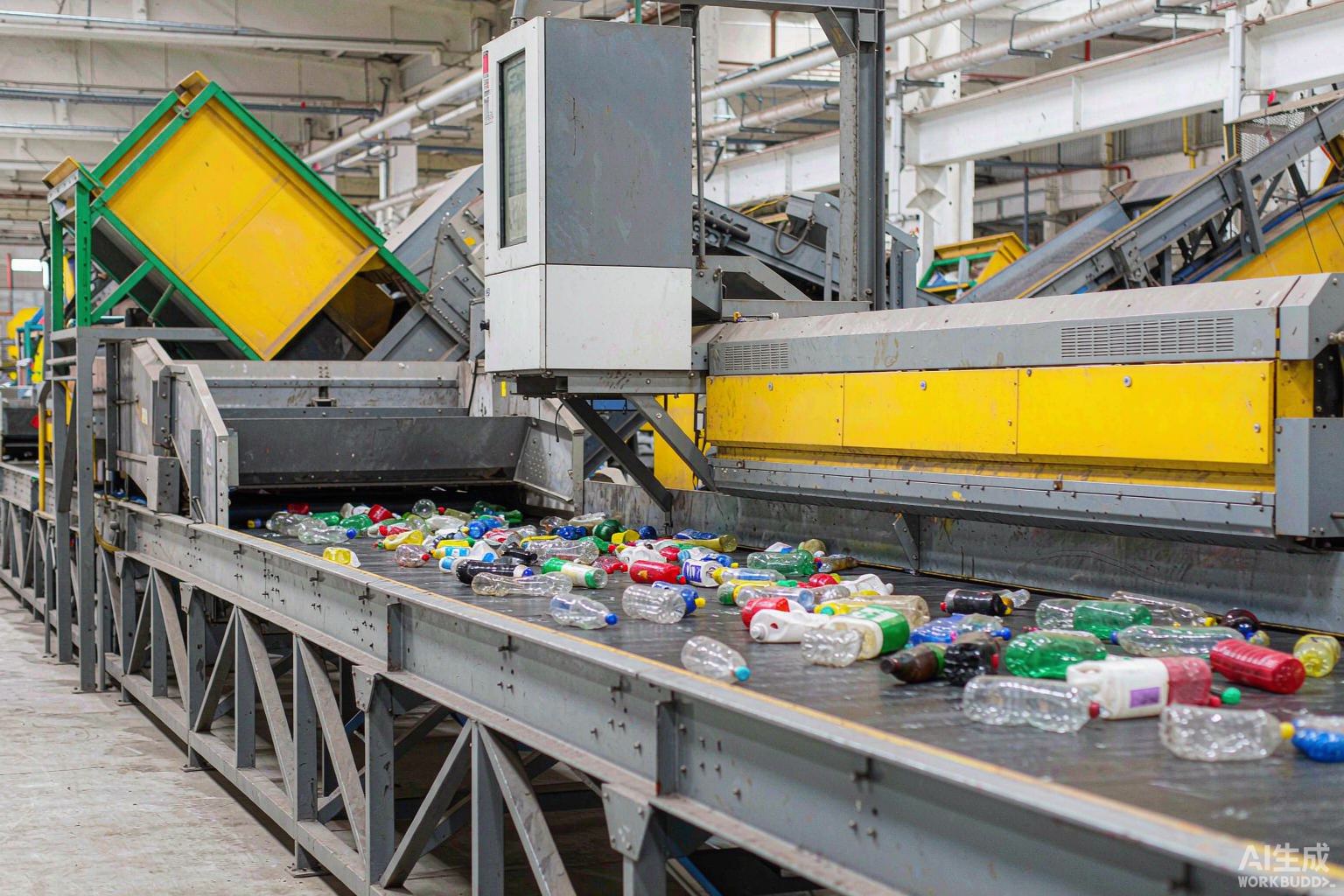
A moulder with mixed production scrap
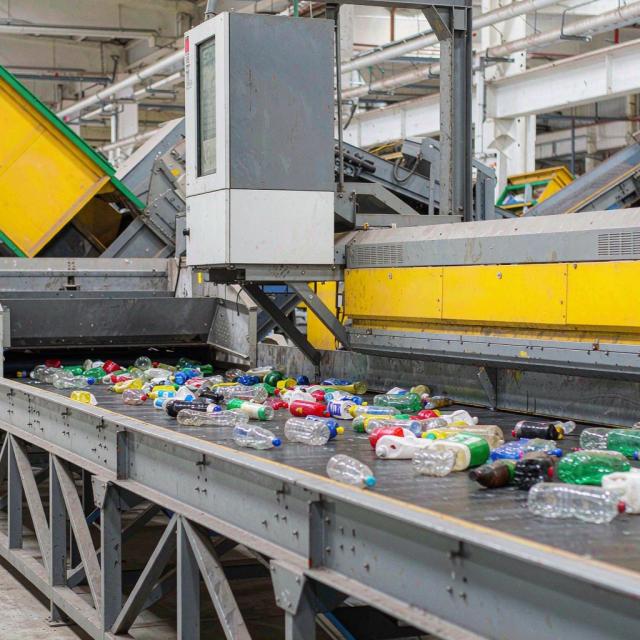
Purge and reject parts from several polymers arrive in one container. Sorting by polymer turns a downcycle into a feedstock that can be re-pelletised.
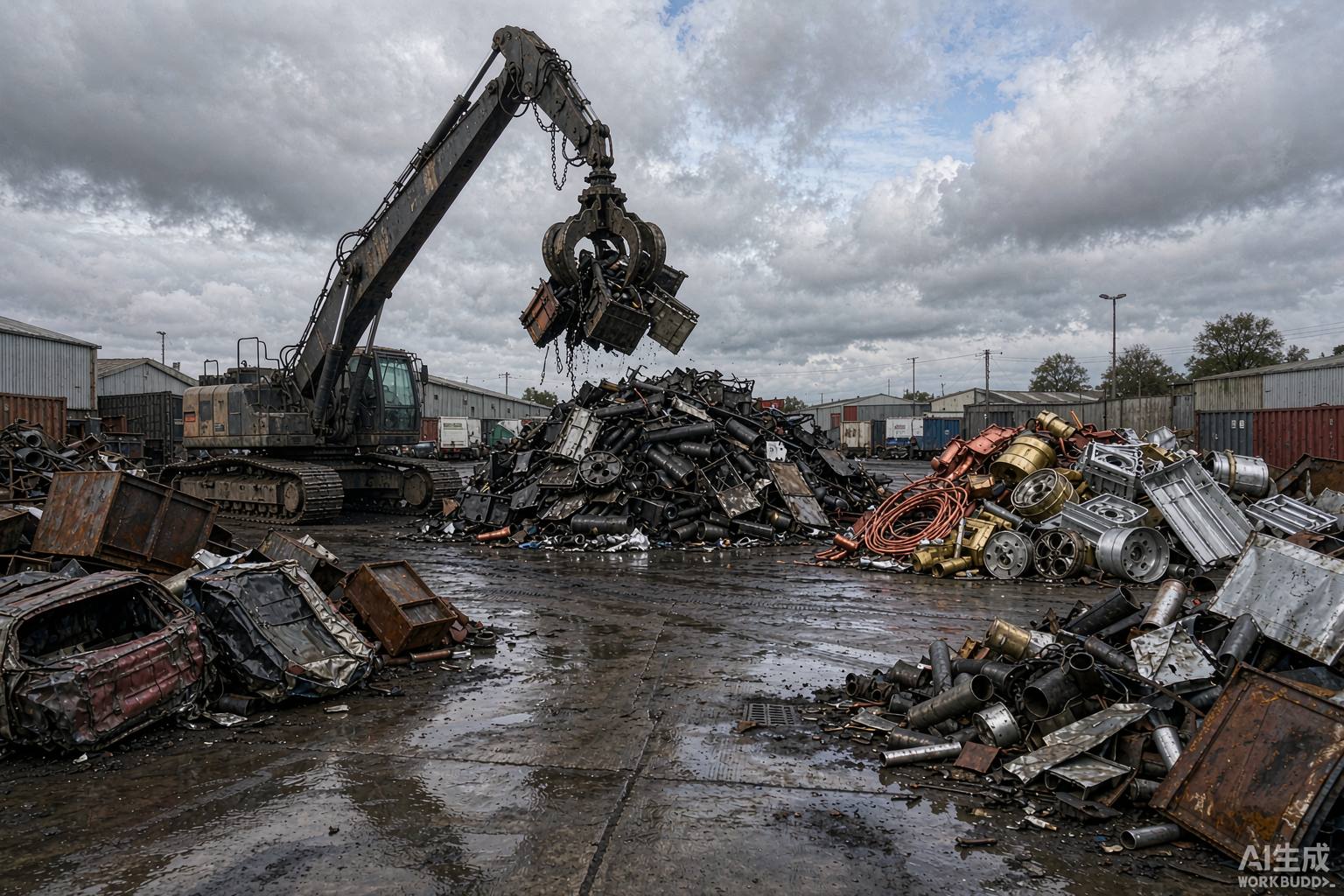
A demolition contractor clearing a phase
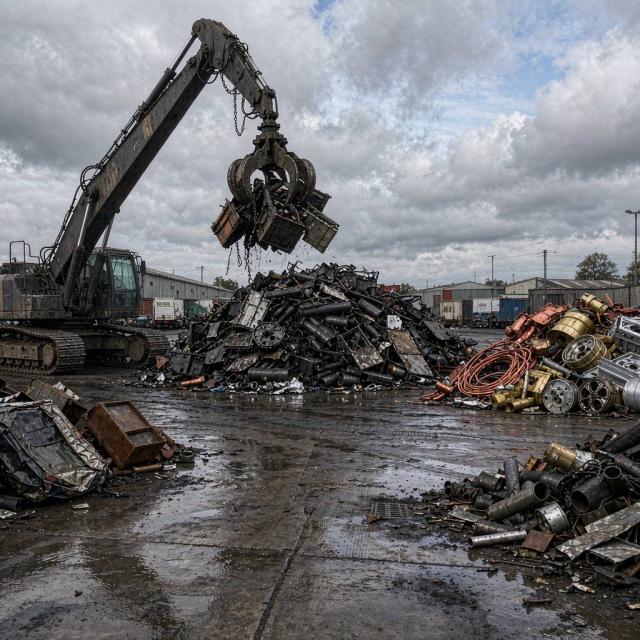
Structural steel and reinforcement come out in phases. Roll-on roll-off collections through the project keep metal off the ground and the duty of care file complete.
A manufacturer preparing for an audit
The environmental management system needs transfer notes and tonnages for the year. We issue documentation per load so the file is complete before the auditor arrives.
A group operating several premises
One account, several addresses. Multi-site rounds with a separate transfer note per premises keep each site’s paperwork clean and the invoicing simple.
What every engagement includes
Whichever sector you are in, the same four things are agreed before the first vehicle is dispatched.
Site assessment
Access, standing area and material type checked so the right container arrives the first time.
Written rate
A confirmed rate per load or per tonne, before collection, with what it includes set out plainly.
Collection window
The day and the window confirmed in writing, with a named contact on both sides.
Documentation
Weighbridge ticket and waste transfer note issued per load, with tonnages you can report against.
Bring us the awkward one
The loads other people have turned down are usually the ones worth a conversation. Describe the material and the constraint and we will tell you whether we can help.
At a glance
Numbers we can stand behind: how the operation is structured, and what a collection actually involves.
Who you are dealing with
ECO WORLDWIDE LTD is a UK-registered limited company. Collections are run by the same team that grades and processes the material, so what you are told on the phone is what happens at the gate.
Ware, Hertfordshire
SG11 1HP
Material and plant behind every collection
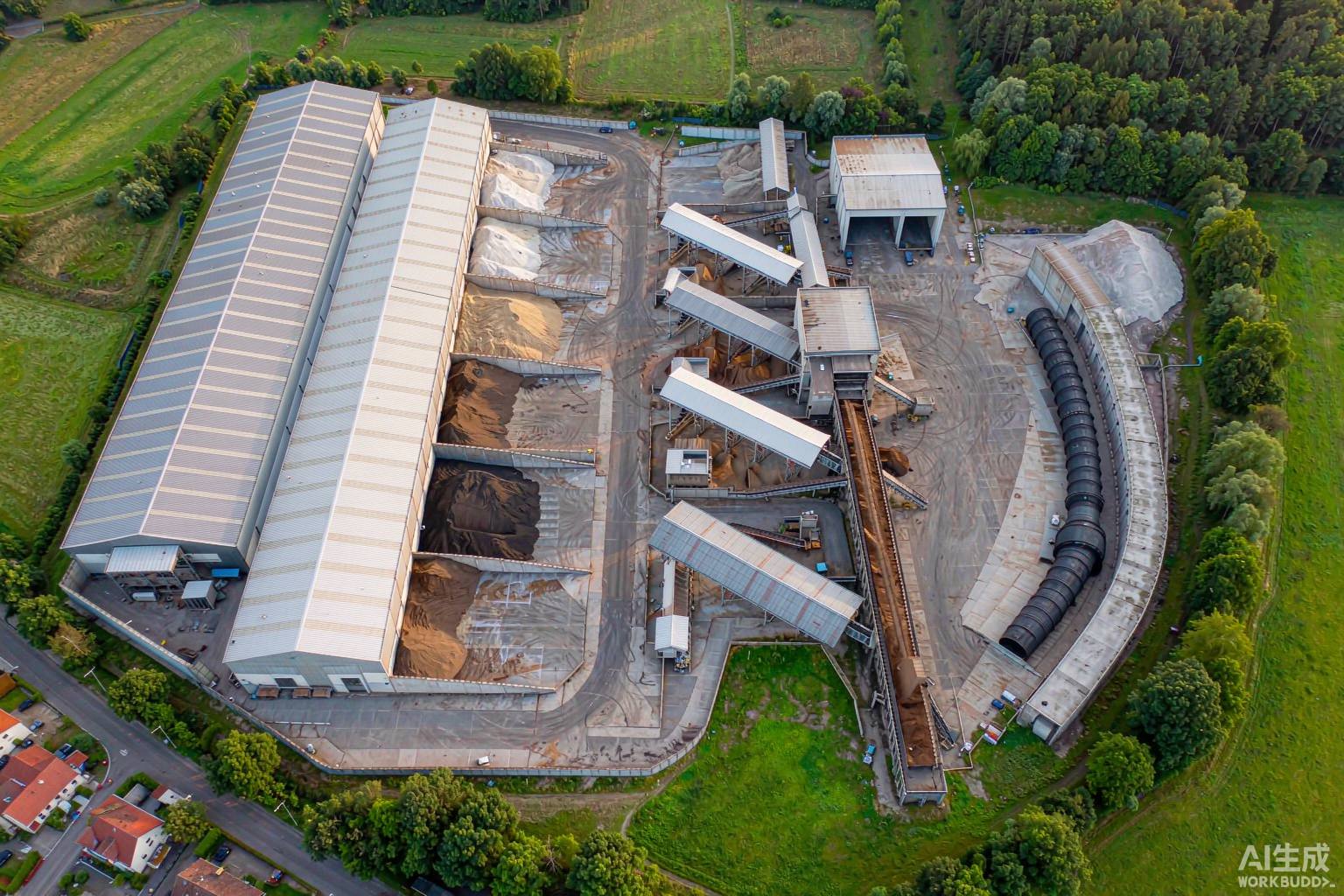
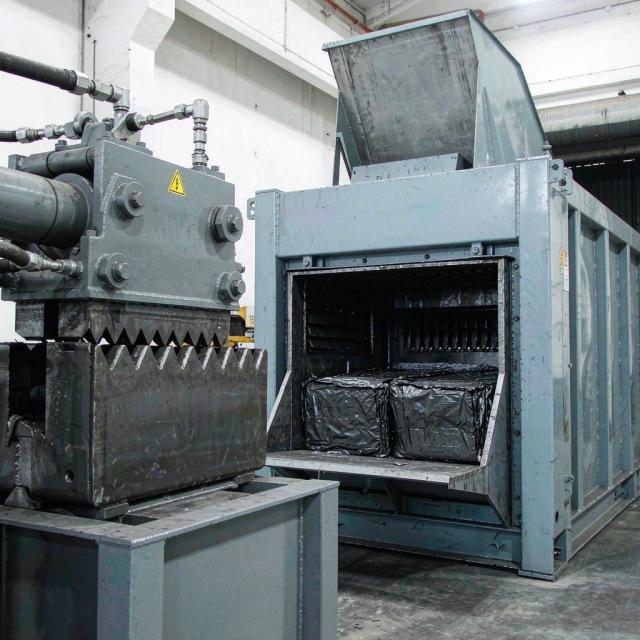
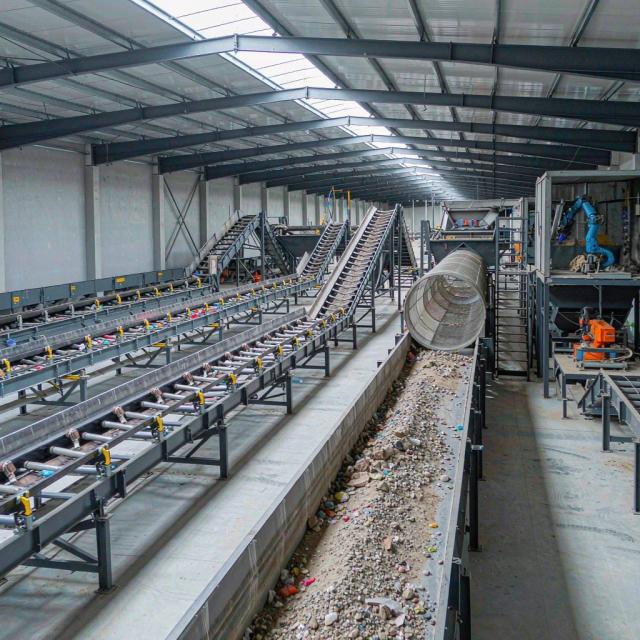
Twelve material types move through the same plant, in three kept-separate streams. These are the loads, the grades and the equipment.