Sustainability

Keeping material in use, and keeping the claim honest

Sustainability in resource recovery comes down to two things: keeping material in the manufacturing cycle instead of in the ground, and being straight about what that does and does not prove.

We do the first with grade discipline and the second by not dressing up numbers we cannot audit.

The circular economy, in operational terms

Circular economy is a phrase that gets used loosely. In practice it means recovered material has to be good enough to go back into manufacturing, which is a sorting and processing problem rather than a statement of intent.

Separate at source

Streams are kept apart from the moment they leave your site. Mixed material becomes a downcycle; separated material can be supplied back as a specification.

Keep fibre dry

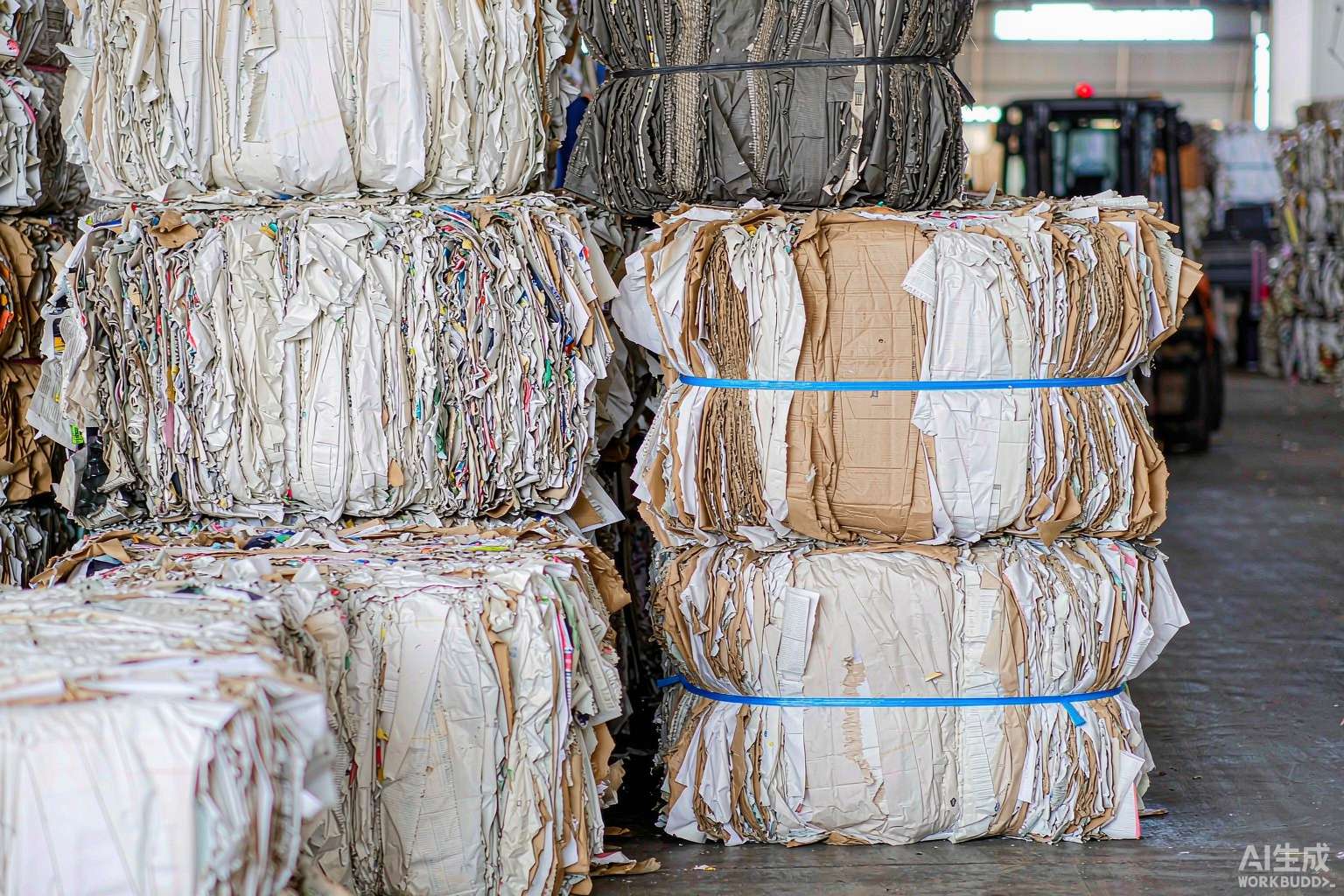
Baled paper is stored dry and protected, because moisture is what turns a deliverable grade into a rejected load at the mill gates.

Sort by polymer

PE, PP, PET and PVC are handled as separate streams so they can be washed, pelletised and reused rather than blended into low-grade output.

What landfill diversion actually looks like

Material avoided from landfill is the part of a waste contract you can measure with a weighbridge, and the part we record for every load. That is why our paperwork is per collection rather than per quarter: the tonnages you report are the tonnages we weighed.

  • Weighed tonnages recorded per collection
  • Recovery route described per material stream
  • Tonnage summaries you can use in your own reporting
  • Grade descriptions that match what was supplied

Where your reporting needs a carbon figure, the route data we supply lets you calculate it with assumptions you can see and defend. We will not hand you a headline number instead.

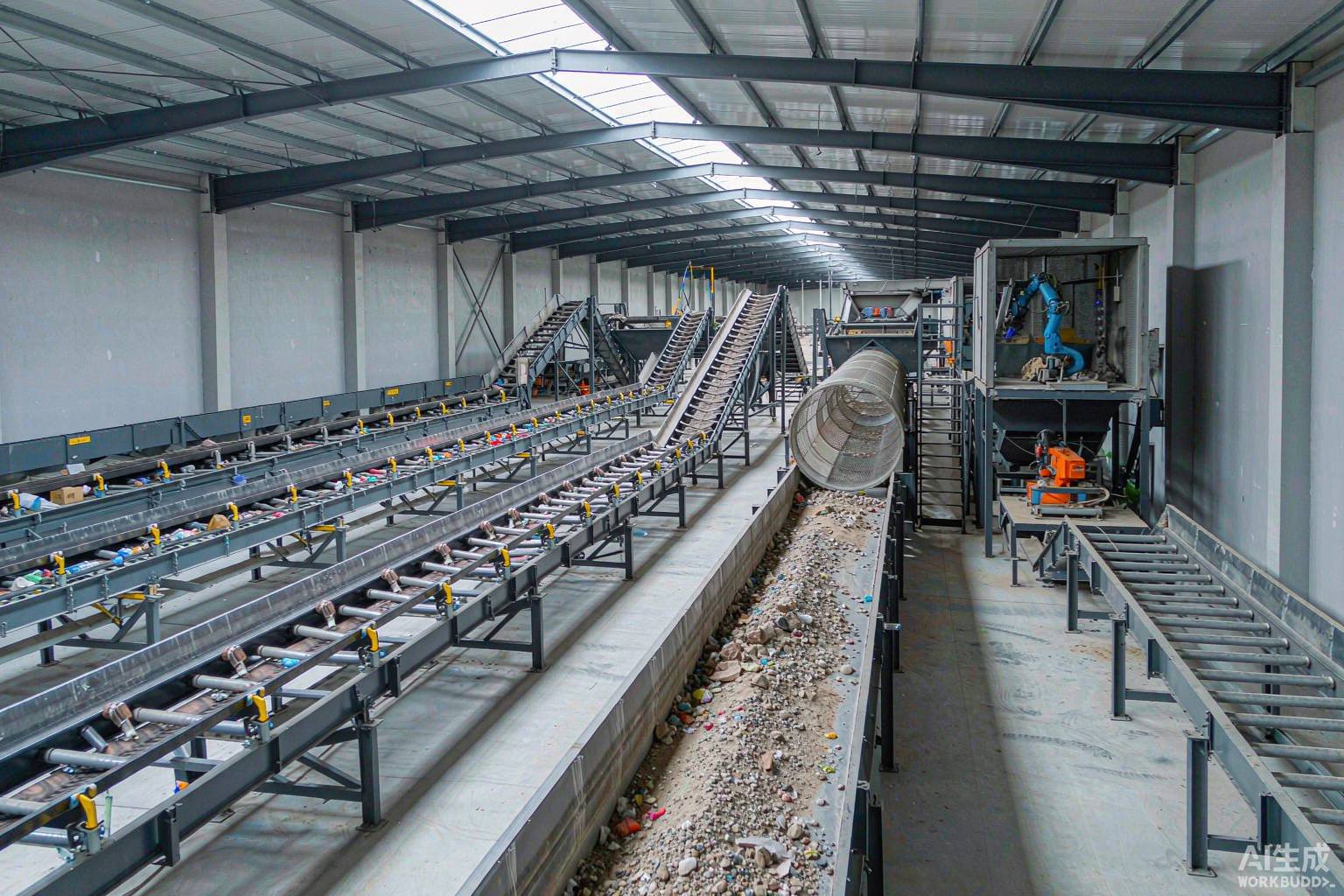
Conveyors and screening equipment inside a materials recovery facility sorting recyclable streams

Where the material goes

Three streams, three manufacturing routes, all inside the UK recovery chain.

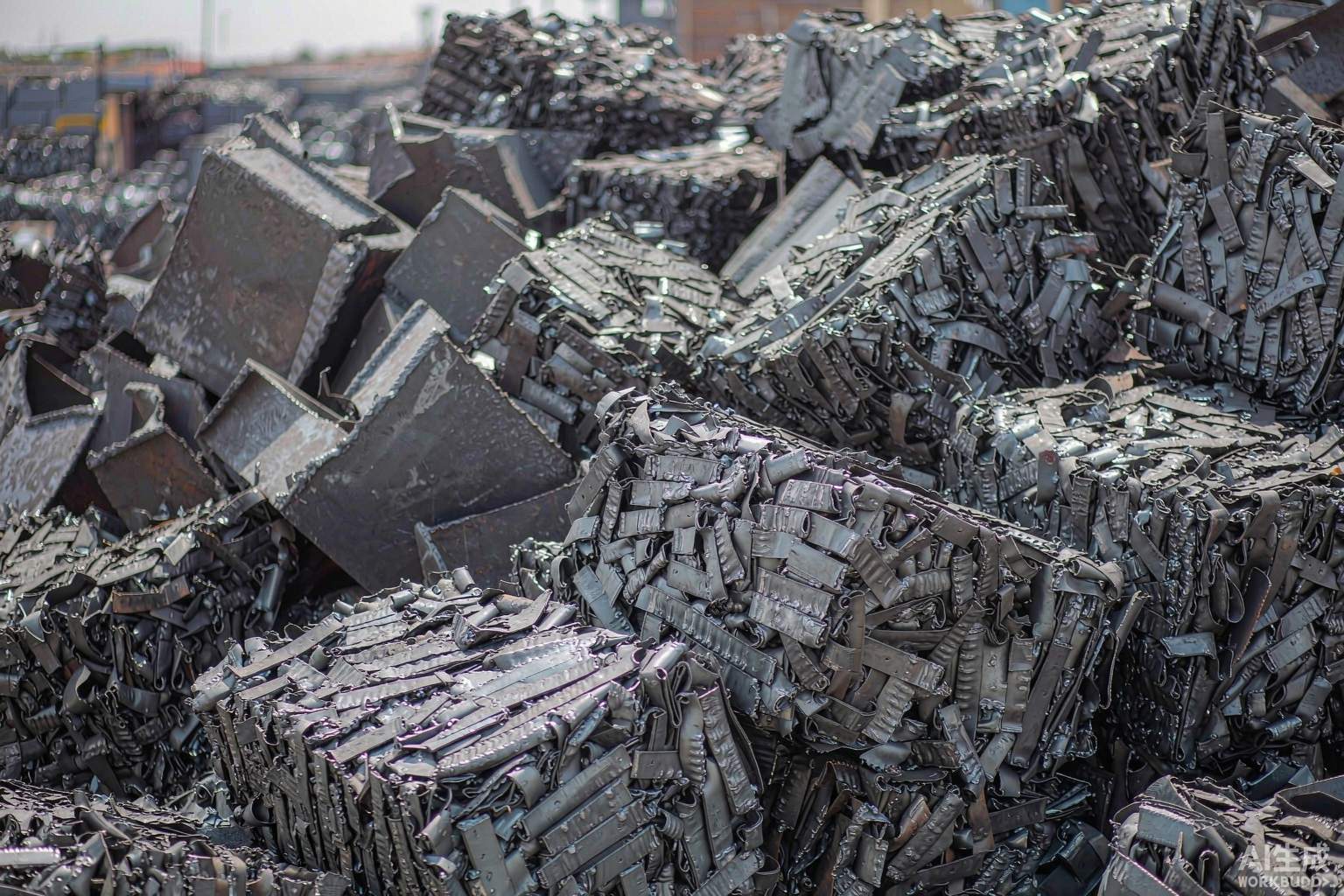
Shredded and sheared furnace-ready scrap steel feedstock prepared for steel mill delivery

Steel back to the furnace

Sheared, baled and shredded material supplied as furnace-ready feedstock for steel mills and foundries, displacing primary raw material in a melt.

Rolls of recycled containerboard produced from recovered waste paper in a paper mill

Fibre back to packaging

Baled OCC, office paper and newsprint supplied into recycled packaging and containerboard production.

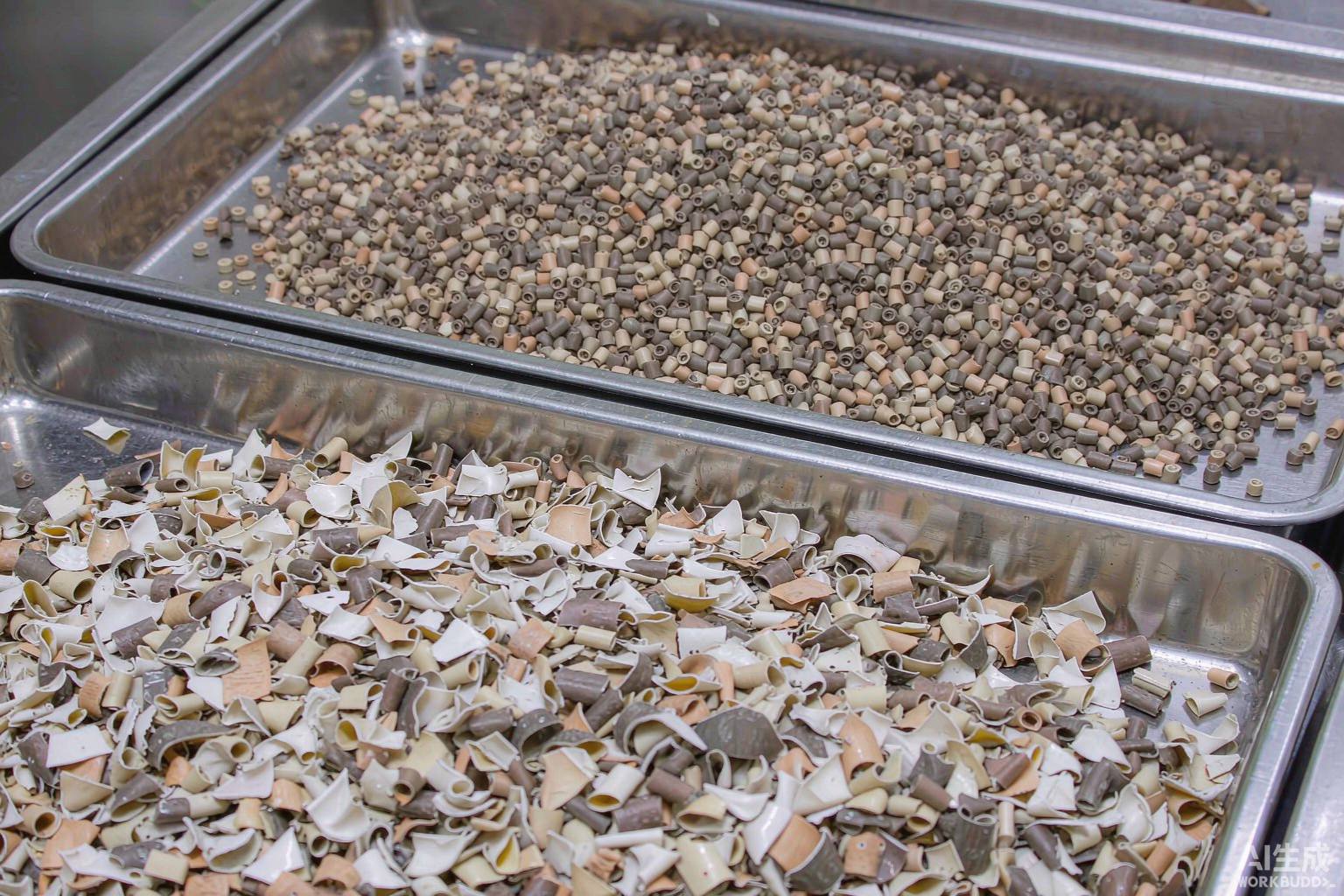
Recycled PE, PP and PET pellets and flakes as substitute raw material for the plastics industry

Polymer back to processing

Washed pellets and flakes supplied to plastics processors as substitute raw material for moulding and extrusion.

Working with your targets

If you have a diversion target, a packaging obligation or a customer audit to satisfy, tell us what the reporting needs to show and we will structure the collection and the records around it.

Tell us what your reporting needs to show

We will set the collection format and the records so your diversion figures come from weighed tonnages rather than estimates.

At a glance

Numbers we can stand behind: how the operation is structured, and what a collection actually involves.

Streams kept separate3
Material types accepted12
Recovery services6
Container sizes6 to 16 cubic yards
Minimum bulk load1 tonne
CollectionsMonday to Friday
Company number07695023
Registered officeSG11 1HP

Who you are dealing with

ECO WORLDWIDE LTD is a UK-registered limited company. Collections are run by the same team that grades and processes the material, so what you are told on the phone is what happens at the gate.

Company number07695023 — registered in England and Wales
Registered officeEastview, Nasty
Ware, Hertfordshire
SG11 1HP
Service areaHertfordshire, Essex, Bedfordshire, Cambridgeshire and north London — including Ware, Hertford, Hoddesdon, Broxbourne, Cheshunt, Stevenage, Bishop’s Stortford, Harlow, Royston, Letchworth, Welwyn Garden City, Luton, Cambridge and Enfield.